Home > Health > Aging & Longevity > A New Approach to Wandering
BREAKING
Longevity
A New Approach to Wandering:
The GPS Watch Helping Families Find Peace of Mind in Dementia Care
By Andrew Fletcher
Last updated: May 23, 2026
Six in ten people living with dementia will wander at least once. For the families trying to keep them home, the technology has finally caught up to the stakes.
Six in ten people living with dementia will wander at least once. For the families trying to keep them home, the technology has finally caught up to the stakes.
It was a Tuesday afternoon when Mary’s phone rang. The voice on the other end was her father’s neighbor, Susan, calling from a street corner four blocks away.
"Mary, I'm with your dad. He looked confused, so I stopped him. I think he's lost."
Robert is 78. He was diagnosed with dementia two years ago and still lives in the house he raised his children in.
Until that afternoon, Mary believed the safeguards she had in place were enough. The pillbox. The neighbors with her number. The routine phone calls.
By the time she reached the corner of Elm and Fifth, Susan was standing beside him on the sidewalk. He could not explain why he had left. He could not remember the way back.
“What I kept thinking on the drive home,” Mary said later, “was: what if Susan hadn’t been there.”
What she did not yet know was that her father’s wandering was not unusual. It was, statistically, almost expected.
Roughly 6 in 10 people with dementia will wander at some point during their illness, and many will do so more than once.
– Alzheimer’s Association
For caregivers, that figure reframes the question. The issue is not whether a loved one will wander. It is what happens when they do.
Why The Usual Safeguards Quietly Fail
Like most adult children of a parent with dementia, Mary had already tried the standard playbook before that afternoon. A smartphone. A door chime. A note by the front door reminding him to stay inside.
The problem with each of these, she came to understand, is that they were never designed for the person they were meant to protect.
Most safety tools assume continuity of cognition. They are built for users who can remember to charge them, choose to wear them, and understand why they exist. Dementia removes those assumptions one by one.
The pattern is consistent. A device intended for someone with cognitive decline cannot rely on that person’s participation. It has to work whether they remember it is there or not.
Smartphones – Require operational memory that has often already eroded. They get forgotten, left uncharged, or set down somewhere in the house and not retrieved.
Consumer smartwatches – Present the same problem at a smaller scale. Tiny screens, unfamiliar menus, and a daily charging routine that collapses within a week.
Door alarms – Announce that a loved one has left the house, but say nothing about where they have gone, or whether they are still walking.
Clip-on Trackers – Fall off, get washed, or come off with the coat at the door.
Medical-alert pendants – Were built around the logic of a fall and a button. They do not solve the problem for the person who removes the pendant or wanders before pressing it.
A Watch That Doesn't Look Like a Medical Device
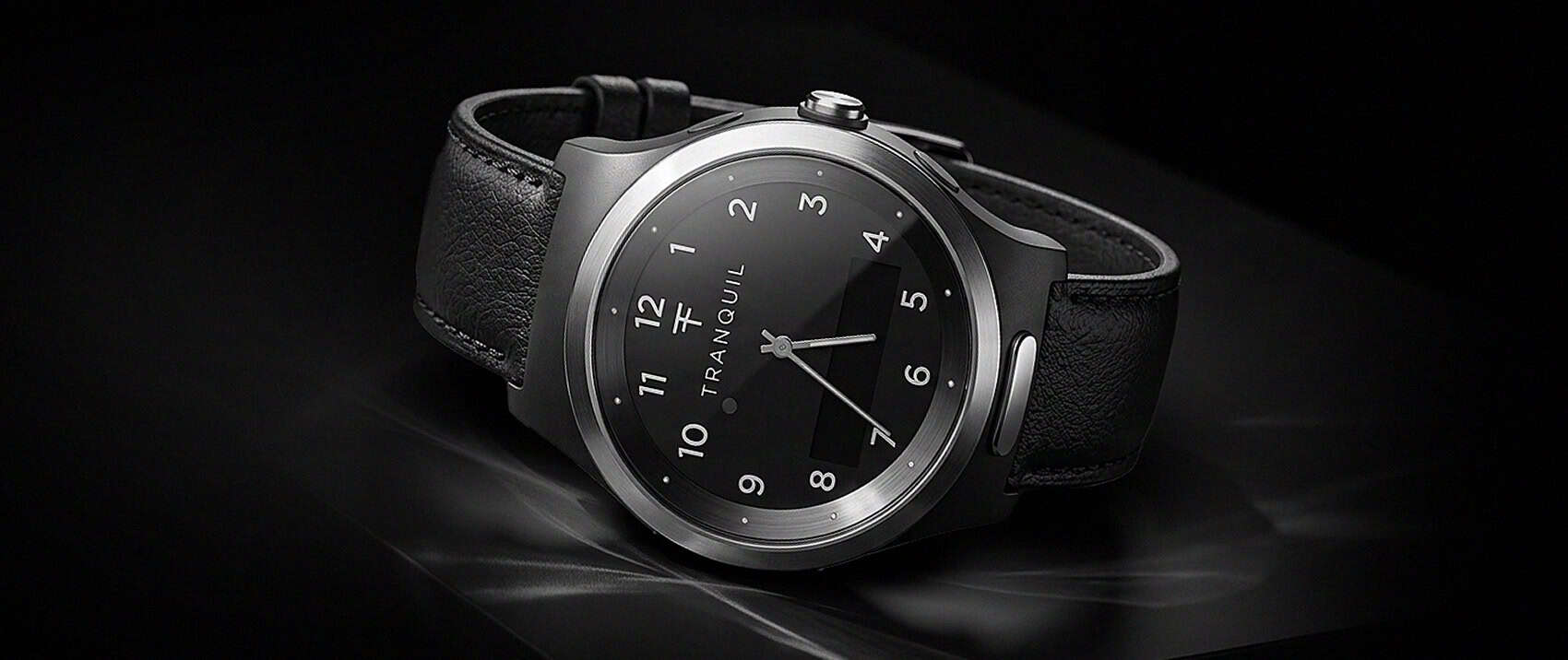
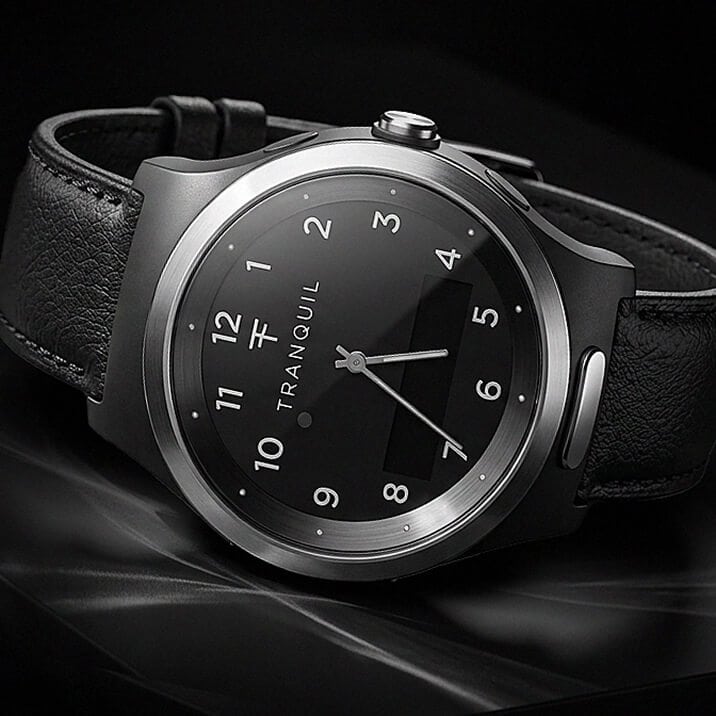
In 2012, a team of British engineers set out to close that gap. The result is a discreet GPS watch, manufactured in Finland and finished by hand, sold in the United States under the name Tranquil.
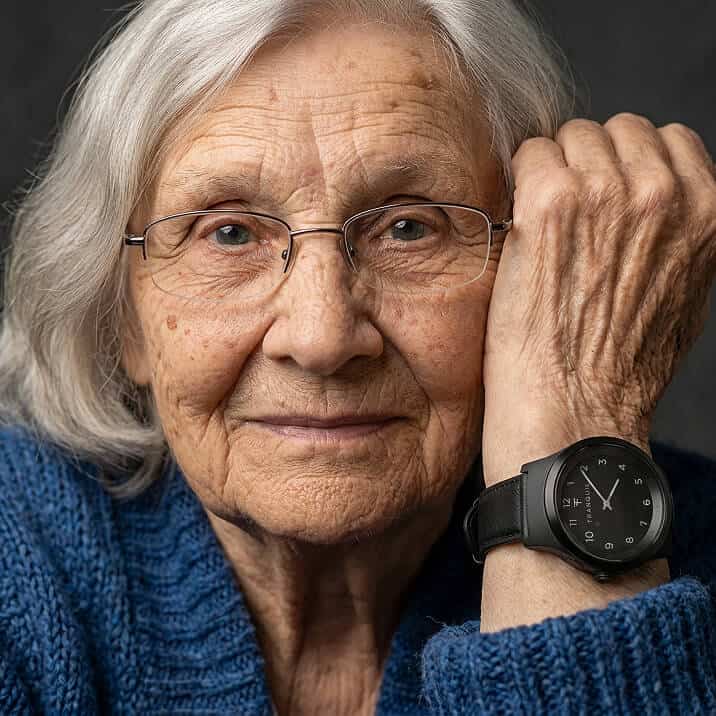
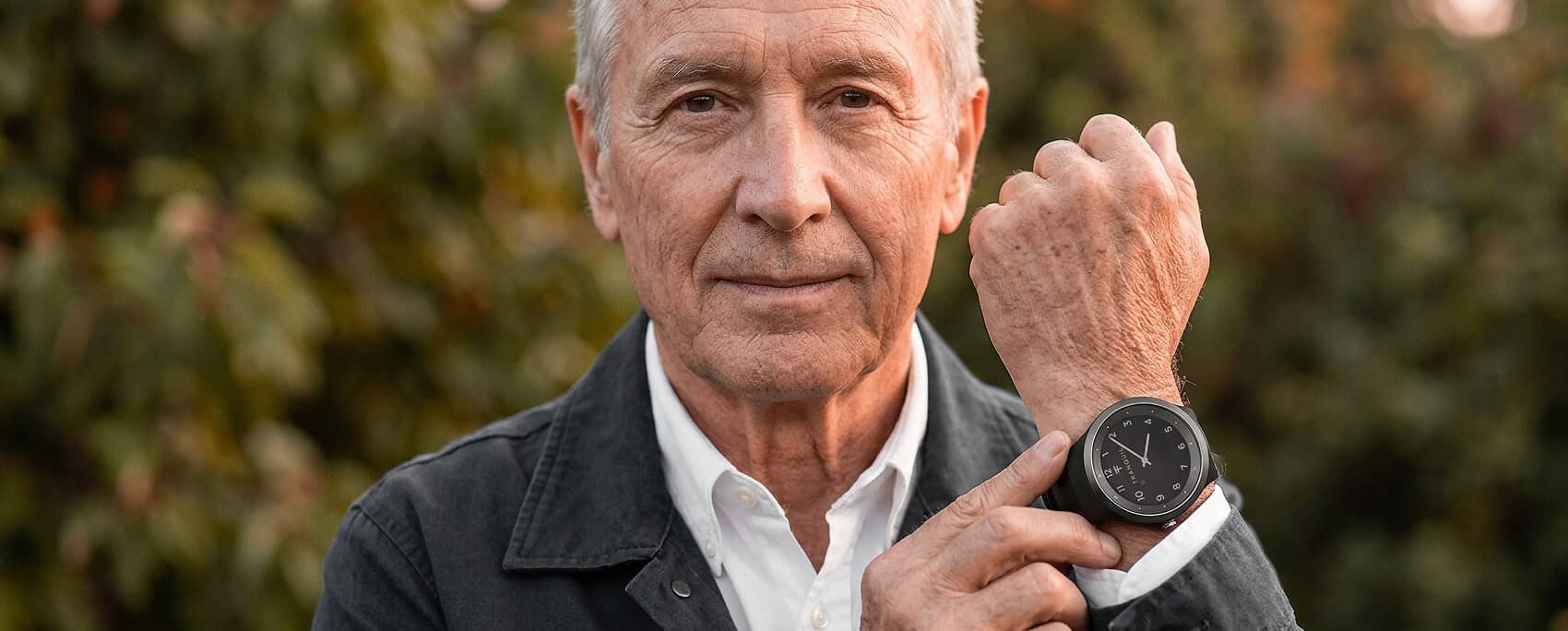
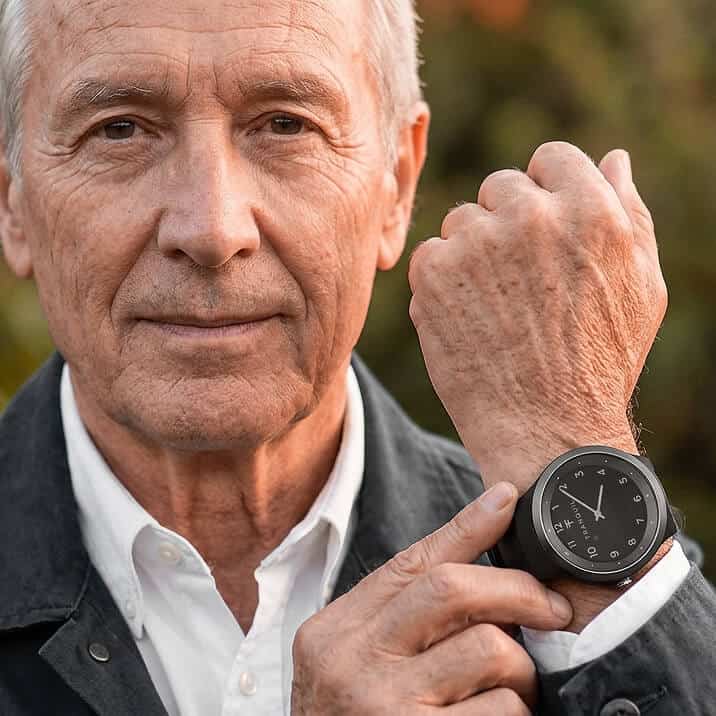
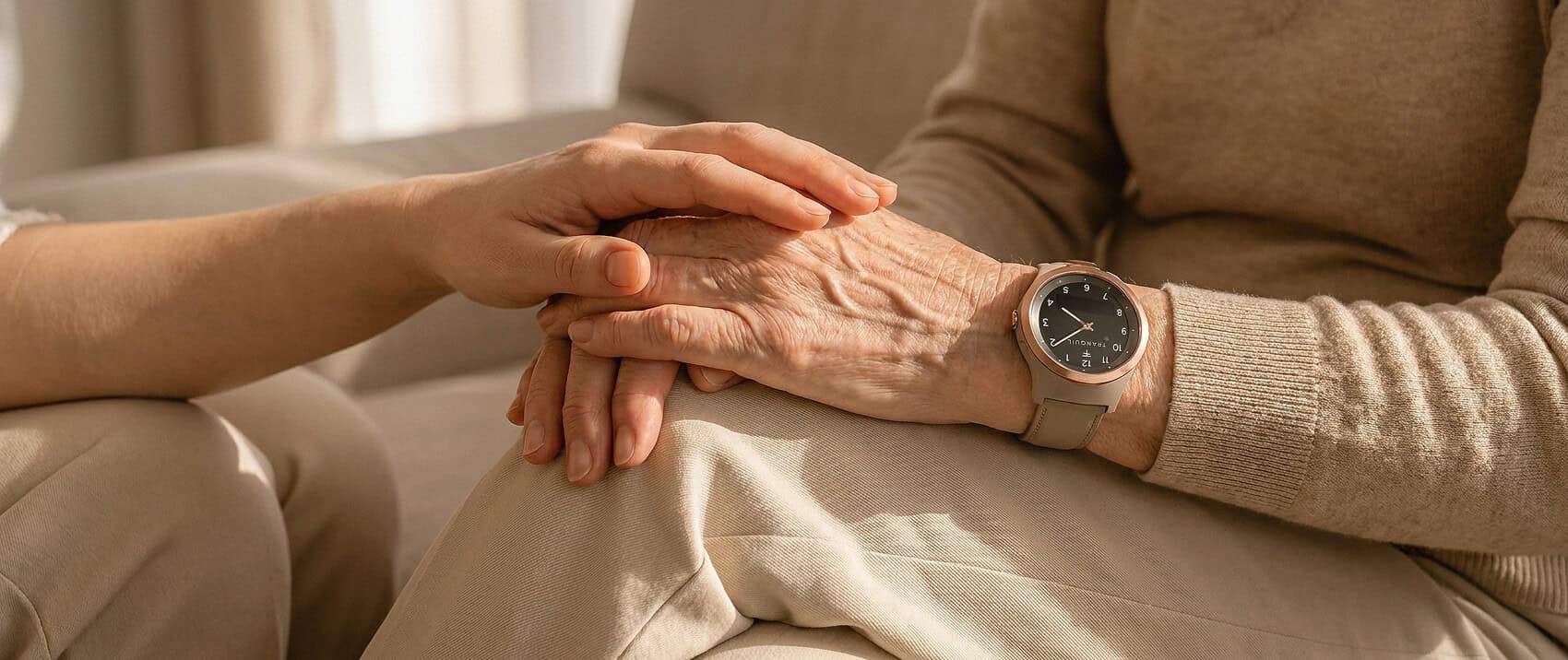
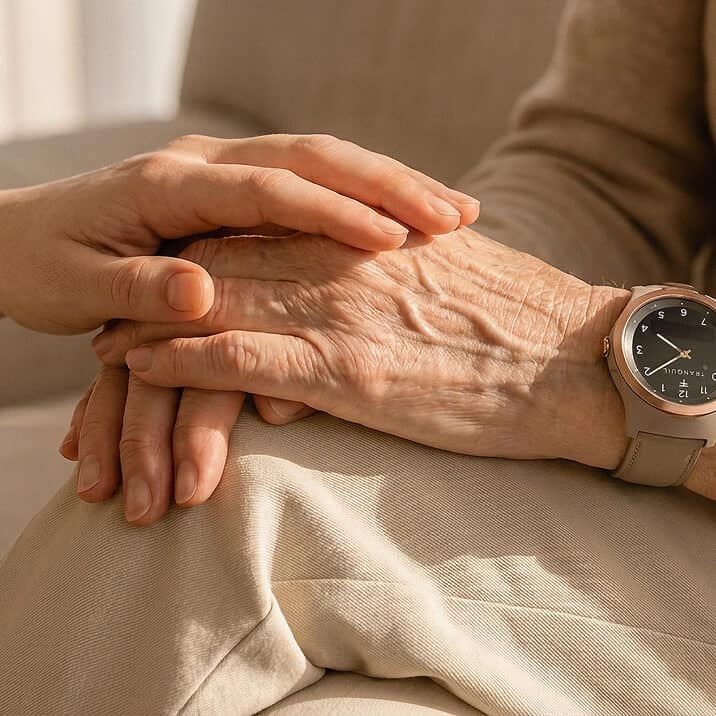
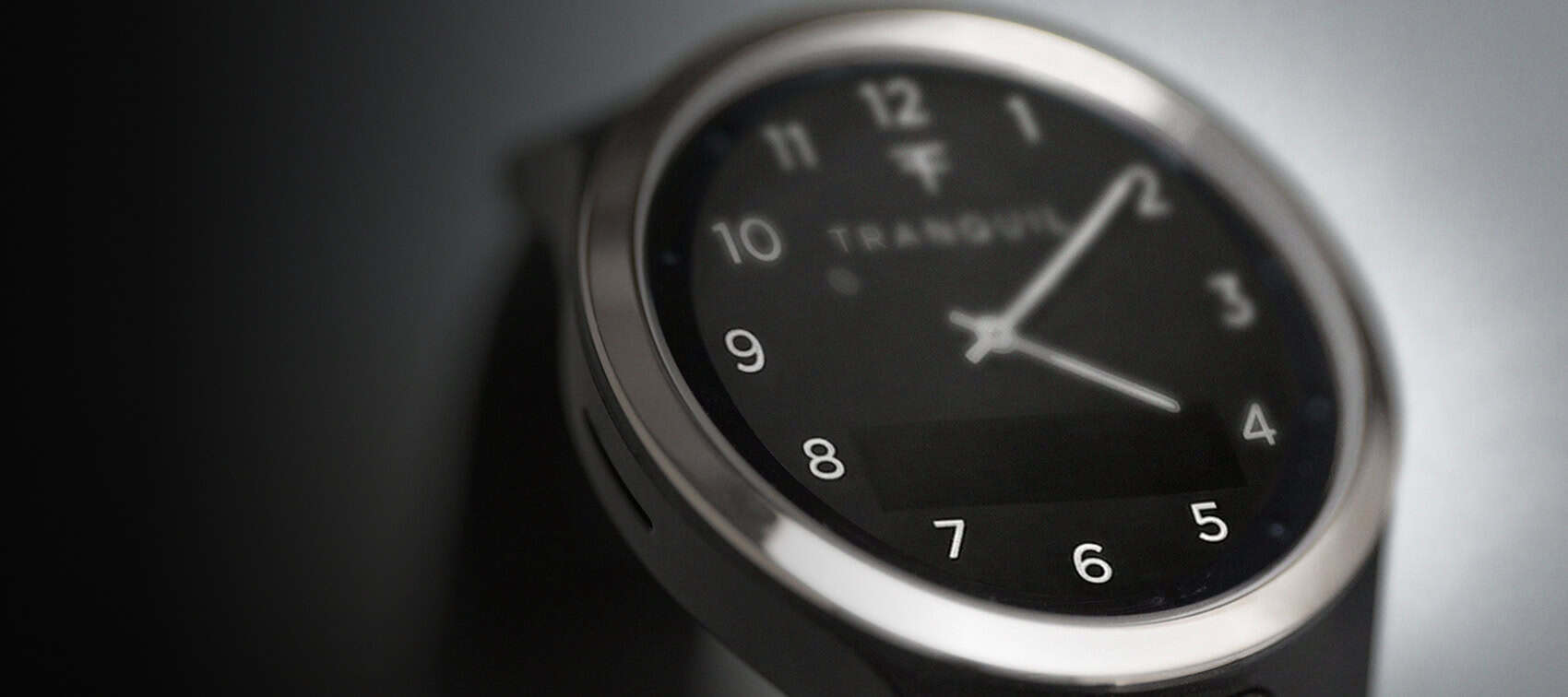
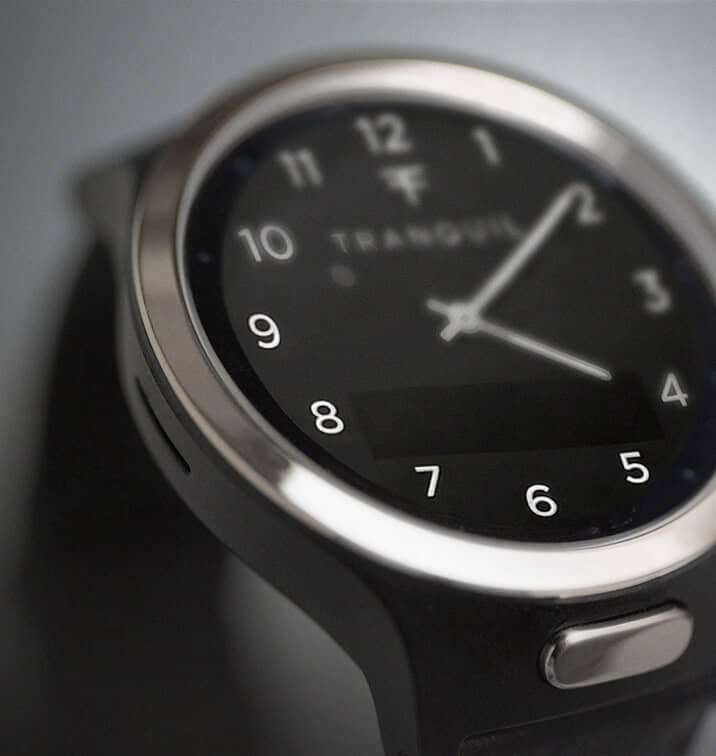
It has a brushed steel case, Swiss-style watch hands, and a choice of leather or polished metal straps designed for both women and men.
No glowing screen. No emergency-button red. No pendant hanging from the neck like a label.
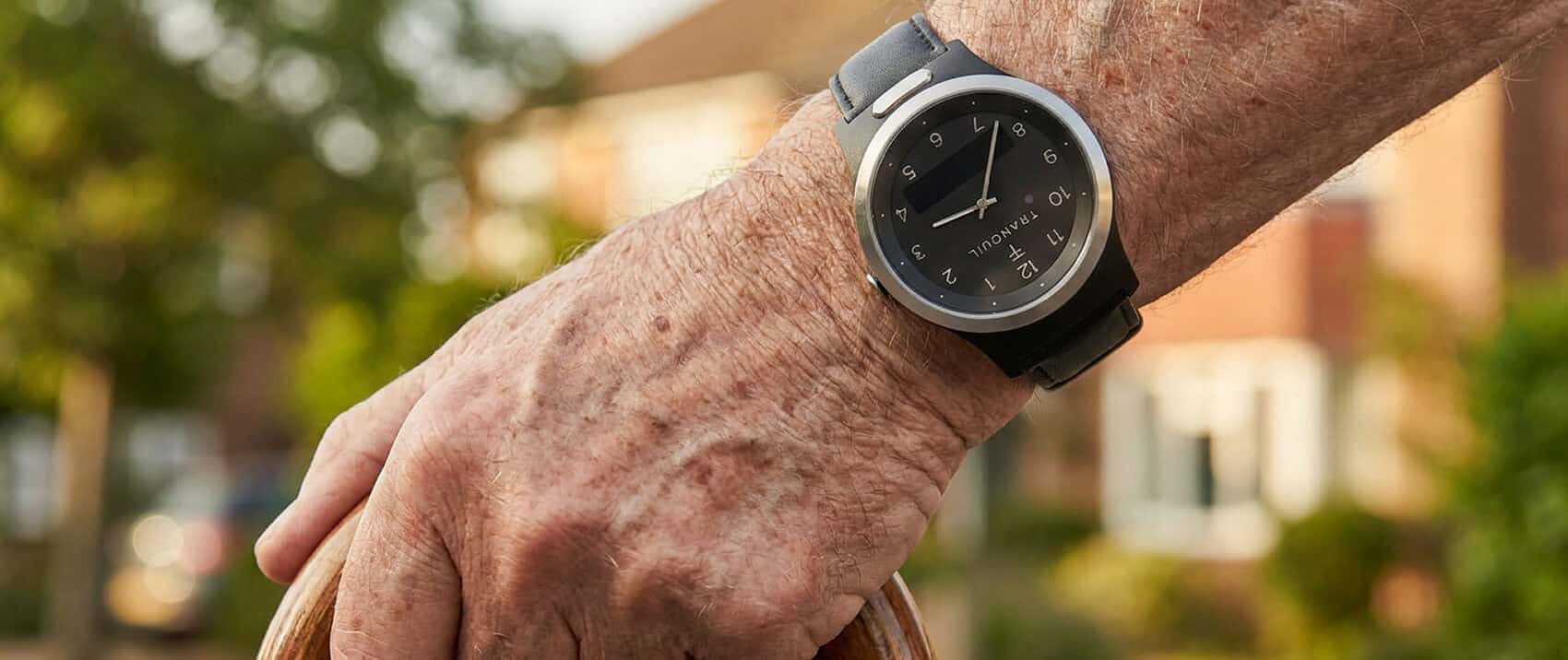
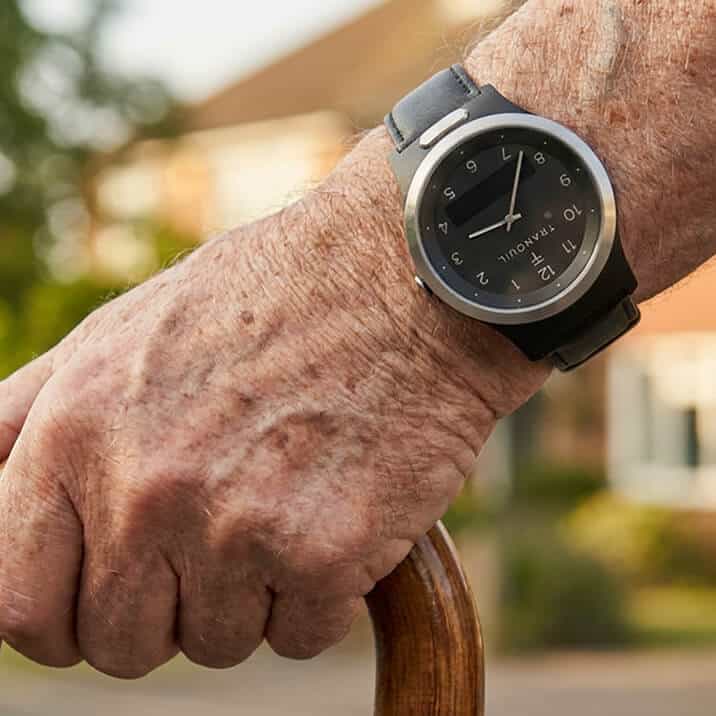
It looks, in other words, like a watch a 78-year-old man might choose for himself. Which is part of the point. The most advanced safety device in the world is useless if its wearer refuses to keep it on.
How Mary Found It
The recommendation, when it finally came, did not come from a doctor or a product review. It came from another woman at a caregiver support group. Mary had started attending after the incident with Susan.
The woman described what the watch had given her back. The constant calls to check in. The drives across town to make sure. The hours of vigilance that had quietly taken over her life.
Mary ordered one that night. It arrived four days later.
She charged it, set up the app, and put it on her father’s wrist while they sat at his kitchen table.
"That's a nice watch,"
– he said. He has not asked to take it off since.
What Actually Sets It Apart
Live location, updated every minute – Present the same problem at a smaller scale. Tiny screens, unfamiliar menus, and a daily charging routine that collapses within a week.
Safe zones with instant alerts – A perimeter can be drawn around the house, the park, the route to the coffee shop. The moment he crosses the line, her phone buzzes.
Home-exit alerts – Most GPS devices wait until the wearer has traveled hundreds of feet before raising an alarm. Tranquil’s alerts trigger the moment he leaves the front door. Minutes earlier, which matters when a highway or a river is nearby.
Two-way calling – Mary can call the watch directly. Her father does not need to press anything. The watch answers itself.
An SOS button – One press dials up to eight contacts in sequence until someone picks up. If the first person is unavailable, the second is reached. Then the third.
A seven-day battery – Most GPS trackers for seniors last 12 to 24 hours. Tranquil lasts a week on a single charge. In practice, that is the difference between a watch that gets worn and one that doesn’t.
Fully waterproof – Shower, rain, dishes. It stays on the wrist. And what stays on the wrist never gets left behind.
An optional locking strap, added at checkout, secures the watch for wearers who tend to remove jewelry. Roughly two-thirds of buyers add one.
“It really works and it's absolutely worth the money”
Tom in South Carolina
“It's given me such a sense of peace and I truly am grateful”
Alysia in New Jersey
“If you have a loved one with Alzheimer's, you need this”
Glen in Florida
“By far the best device for tracking elderly people”
John in Minnesota
“Now I know I don't have to worry so much.”
Letita in South Carolina
The Night It Actually Mattered
The alert came at 11:42 p.m.
Mary had set her phone to override Do Not Disturb for anything from the Tranquil app. The buzz pulled her out of sleep before she fully understood what it was.
Home-exit alert. Robert has left home.
The app opened to a map. Her father was a quarter-mile from the house, moving south, away from the lit streets.
One tap on the call button. The watch answered itself.
"Dad, where are you?"
He told her he was going to pick up her mother. Her mother had died in 2019.
Mary stayed on the line, talking him into standing still while she pulled on a coat and found her keys. By the time the car started, he was still on the call.
Eight minutes later, she found him under a streetlight on a block he had walked past every day for forty years. Pajamas. A thin jacket. The watch held to his ear the way someone holds an old telephone.
He did not remember leaving the house. He did remember, for a moment, that her mother was gone.
It is the call Mary thinks about when people ask her whether the watch is worth what it costs.
The median cost of a private room in a U.S. nursing home exceeds $9,000 a month. Memory care, the specialized supervision a person with dementia typically requires, costs more.
The decision to move a parent into one of these facilities is rarely made on a single day. It accumulates over months, as small incidents build into a sense that home is no longer safe.
A device that meaningfully reduces those incidents does not just buy peace of mind. It buys time. Sometimes years of it, in the home.
The emotional dimension is harder to price. In most families, that move arrives with a guilt that lingers for years. Delaying it, or avoiding it entirely, is the part of the watch’s value most caregivers did not know they were buying.
More Stories Like Mary's
It has allowed our father to remain living independently
This watch has been an absolute game changer for our family. It has allowed our father to remain living independently and has saved us from the financial and emotional toll of moving him to assisted living.
We’re so grateful to Tranquil for providing the tools necessary to help keep him safe.
Jess R.
Verified Buyer
It kept our parent with dementia safe
The Tranquil watch kept our parent with dementia safe and helped us locate them on a number of occasions.
Also appreciated being able to contact someone for customer support, with a quick response to any query.
Sonia M.
Verified Buyer
Six Months Later
Robert still lives in his own house. He still drinks his coffee in the same chair every morning. He still takes his walks around the neighborhood.
Mary still gets the occasional home-exit alert. Most of the time, it is her father heading to the corner store, or to the bench by the park where he likes to sit. A few times, it has been something more.
“He has his independence,” Mary said. “I have my life back. That’s what the watch did.”
Then she added the thing most caregivers in this position eventually say.
"I wish I'd had it before that first phone call."
Only Available Directly From Tranquil
Tranquil is not sold in stores or on Amazon. Similar-looking devices sold elsewhere are typically unrelated imports with shorter battery life, weaker GPS, and no live customer support.
Every order placed through the official site includes:
Free U.S. shipping
Free returns
A 30-day risk-free trial with a full refund if it is not the right fit
Try Tranquil Risk-Free For 30 Days
You get 30 full days to see how Tranquil fits into your family’s life. Set the safe zones. Take the late-night calls. Decide for yourself whether the watch belongs on your loved one’s wrist.
If it is not a fit, for any reason, a full refund is processed within 24 hours of your return. No questions, no friction.
Tranquil is a registered trademark. The story above is based on a verified customer account; some identifying details have been changed at the family’s request.